Te Whare Rangahau o Hemi Henare
James Henare Research Centre
*James Henare Research Centre PhD Scholarships – Apply Now*
“Kua tawhiti kē tō haerenga mai, kia kore e haere tonu. He nui rawa ō mahi, kia kore e mahi tonu.
You have come too far not to go further, you have done too much not to do more.”
Sir James Henare

The James Henare Research Centre would like to acknowledge and congratulate Matua Hori Moanaroa Parata (Te Waiariki, Ngāti Kororā, Ngāti Takapari, Ngāti Wai, Ngāti Hine) on his appointment to the Member of the New Zealand Order of Merit (MNSM) for his outstanding services to conservation and Māori.
Matua Hori Parata (Te Waiariki, Ngāti Kororā, Ngāti Takapari, Ngāti Wai, Ngāti Hine) is an esteemed kaumātua and rangatira who has helped protect endangered species, contributed to the restoration of land, sea, taonga species and communities, and has supported the development of future Māori leaders.
Matua Hori has been key to conservation efforts and raising awareness of broader ecological issues in Te Tai Tokerau. Through his leadership, several taonga species including the kiore (native rat), tuatara, kauri and tohorā (whale) have been granted essential protections. He has reignited the cultural honouring of tohorā, having worked on more than 500 whales while training individuals, hapu and iwi nationwide through his response group, Manu Taupunga. He helped develop co-management frameworks between mana whenua and the Department of Conservation, including the nationally recognised whale stranding protocol, setting a benchmark for future international, national and regional processes. He has been instrumental in bridging mātauranga Māori with innovative scientific approaches to conservation, such as the Kauri Ora initiative. He worked for the Ngātiwai Trust Board for decades and has advocated for He Whakaputanga 1835 and Te Tiriti o Waitangi, contributing to the publication ‘Ngāpuhi Speaks’, an important resource created during the Ngāpuhi Stage One Claim. Mr Parata is a member of several national Māori advisory groups including Wai 262-Taumata Whakapumau and the Environmental Protection Authority’s Te Herenga Māori advisory group.
Photograph: Adrian Malloch/The Guardian
The James Henare Research Centre would like to acknowledge and congratulate Matua Te Warahi Kokowai Hetaraka (Ngāti Wai, Ngāpuhi, Tainui) on his appointment to the Officer of the New Zealand Order of Merit (ONZM) for his outstanding services to Māori and art.
In 1963, Matua Te Warahi was chosen to represent Te Tai Tokerau at the New Zealand Māori Arts and Crafts Institute in Rotorua. He has designed, carved and served as the overseeing Tohunga of wharenui on marae, including Te Tii Waitangi. He has been a tireless advocate for iwi Ngātiwai through his leadership and cultural guidance. He was an expert witness in several historically important Waitangi Tribunal claims, including WAI 262. He has revitalised Māori histories and narratives in places of local, national and international importance including the Māori Select Committee Room in Parliament, Te Korowai o Papatūānuku in Parihaka and Ruapekapeka Pā in Waharoa. He has held several leadership and governance positions, including founding Trustee of the Hihiaua Cultural Centre Trust, board member and kaumātua of the Whangārei Art Museum, kaumātua of the University of Auckland and the Northland Rugby Union, and a Trustee of Te Au Marie Trust. He was appointed as Advisor to Te Atamira o Te Taiwhena, Department of Internal Affairs in 2025. Matua Te Warahi won the Outstanding Individual Contribution to the Arts Award in 2007 and the Creative New Zealand Kingi Ihaka Award for lifetime contribution to Māori culture in 2014.
Te Whare Rangahau o Hemi Henare | The James Henare Research Centre is Waipapa Taumata Rau’s leading Māori transdisciplinary research centre. Our Centre co-designs and co-creates excellent research with Te Tai Tokerau flaxroots communities. We envisage a future underpinned by the transformative values of Te Ao Māori. Our research enables our community partners to exercise mana motuhake and lead decisions that affect their social, environmental, and economic wellbeing. We are inspired and guided by the words and life of Tā Hemi Henare.
Our focus is on providing excellent research to Empower Māori

Te Tiriti o Waitangi
Ko te Kuini o Ingarani ka wakarite ka wakaae ki nga Rangatira ki nga hapu – ki nga tangata katoa o Nu Tirani te tino rangatiratanga o o ratou wenua o ratou kainga me o ratou taonga katoa.
In supporting the University’s commitment to Te Tiriti o Waitangi, the James Henare Research Centre conducts its research in accordance with the guarantee of tino rangatiratanga in Article 2 of Te Tiriti.
Our Chairman
Bernard Henare
Ngāti Hine, Ngāpuhi
Son of the late Sir James Henare, Bernard Henare is the Chair of the James Henare Research Centre. A rangatira, Bernard represents his whānau and iwi in numerous iwi affairs, attending many hui and events across Te Tai Tokerau where he is valued by many for his guidance and leadership. In 2014, Bernard chaired a hui with the Minister of Treaty Negotiations to progress talks regarding Ngāti Hine’s Treaty Settlement.
Dedicated to the military legacy of his father, in 2019, Bernard spoke at the Mauri stone laying ceremony at the 28th Māori Battalion Museum, where he honoured the battalion’s history and sacrifices. Most recently, in 2023, Bernard attended a medal bestowing ceremony to the descendants of the 28th Māori Battalion at the Treaty Grounds in Waitangi, where he addressed the crowd gathered and was presented with a 28th Māori Battalion Battle Honours memorial flag.
Bernard committed himself in his working life to KiwiRail. A veteran loco engineer, he also served as the Auckland branch chairman of the Rail and Maritime Transport Union and advocated for public train safety. Well respected as one of KiwiRail’s Kaumātua, Bernard played an essential role in guiding the company in tikanga. In 2021, Bernard unveiled and blessed the pou whakairo KiwiRail’s Learning and Development Centre in Onehunga alongside the master carver Mark Howard. After more than 50 years’ service to rail, Bernard retired in April 2025.

Community Events in Te Tai Tokerau
Pūtaiao Research Symposium – Maranga Mai!
4-5 Sept 2025 | Faculty of Science | NorthTec: 51 Raumanga Valley Road, Raumanga, Whangārei, Northland 0110

Maranga Mai – Rise Up!
Join us in Te Tai Tokerau for two days celebrating Māori innovation, resilience and leadership in Pūtaiao. The Faculty of Science Pūtaiao Research Symposium brings together researchers, educators, students, iwi, hapū and community leaders to explore the intersection of pūtaiao and STEM. Join inspiring kōrero, immerse yourself in Māori-led research, and build connections that ignite powerful collaborations for the future of science in Aotearoa.
Dying Matters Week
1 – 7 September 2025

Ukupoutiria: Hihiaua Cultural Centre
Opening: 20 September 2025 10:00am

Shaping the future - JHRC
We’re shaping the future of the James Henare Research Centre, and we want to hear from our community. Your input and feedback are really important to us, feel free to share your thoughts here.
A Recent Project: Kāinga Noho – Kāinga Whenua
Housing and Whenua: Kaumātua Voices – A Retirement Commission Report
Co-Director of James Henare Research Centre, Dr Tia Dawes, speaking about a recent project.
Final Reports:
Ko ngā kaumātua ō tātou taonga: Supporting kaumātua health in a changing world
Hokianga
Te Hiku o te Ika a Māui
Ngāti Whātua
Tauranga Moana
Waikato-Tainui
Te Kei o Te Waka o Tainui
Dr Ngāhuia Harrison speaking about her experience at
the James Henare Research Centre
Latest Publication: Dreaming of a Māori Hospital
Mehemea, ka moemoea ahau, ko ahau anake. Mehemea, ka moemoea tātou, ka taea e tātou

This article makes a case for Māori organisations to investigate developing hospitals in addition to hauora primary care services. Our programme of research on kaumātua hauora has involved ten noho wānanga in Te Tai Tokerau, Waikato and Tauranga Moana. During our wānanga and associated kānohi-ki-kānohi interviews, we heard from older Māori who experienced hospital stays as detrimental to their wellbeing. At a whakahoki kōrero with Waikato kaumātua, we were requested to investigate the rationale for a Māori hospital, a wish that has historical roots in Princess Te Puea Herangi’s efforts to create a small hospital at Tūrangawaewae Marae. Her project was stymied by the health authorities of the time. Our observations are backed up by other research demonstrating adverse outcomes for Māori at New Zealand’s public hospitals. A small international literature offers some pointers for success in developing hospitals for Indigenous populations. While there are many aspects that would need thorough investigation in a development process (e.g., tikanga, scope, sites, architecture, development finance, cost structures, staffing, clientele and accessibility), we argue that hospitals developed by and for Māori are a long-held dream that could well be enacted in today’s health service environment.This article makes a case for Māori organisations to investigate developing hospitals in addition to hauora primary care services. Our programme of research on kaumātua hauora has involved ten noho wānanga in Te Tai Tokerau, Waikato and Tauranga Moana. During our wānanga and associated kānohi-ki-kānohi interviews, we heard from older Māori who experienced hospital stays as detrimental to their wellbeing. At a whakahoki kōrero with Waikato kaumātua, we were requested to investigate the rationale for a Māori hospital, a wish that has historical roots in Princess Te Puea Herangi’s efforts to create a small hospital at Tūrangawaewae Marae. Her project was stymied by the health authorities of the time. Our observations are backed up by other research demonstrating adverse outcomes for Māori at New Zealand’s public hospitals. A small international literature offers some pointers for success in developing hospitals for Indigenous populations. While there are many aspects that would need thorough investigation in a development process (e.g., tikanga, scope, sites, architecture, development finance, cost structures, staffing, clientele and accessibility), we argue that hospitals developed by and for Māori are a long-held dream that could well be enacted in today’s health service environment.
Latest News and Media
Submission against the Regulatory Standards Bill
July 2025 | James Henare Research Centre Team| Submissions

Submission against the Principles of the Treaty of Waitangi Bill
Dec 2024 | James Henare Research Centre Team | Submissions

Our Vision
To deliver world leading transdisciplinary research grounded in flaxroots communities for the betterment of Aotearoa by:
- Creating a pipeline for future generations of scholars from Te Tai Tokerau, Tāmaki and other Māori communities
- Working with academic and community researchers from a broad range of disciplines
- Building enduring partnerships with local and global communities while moving ideas into action
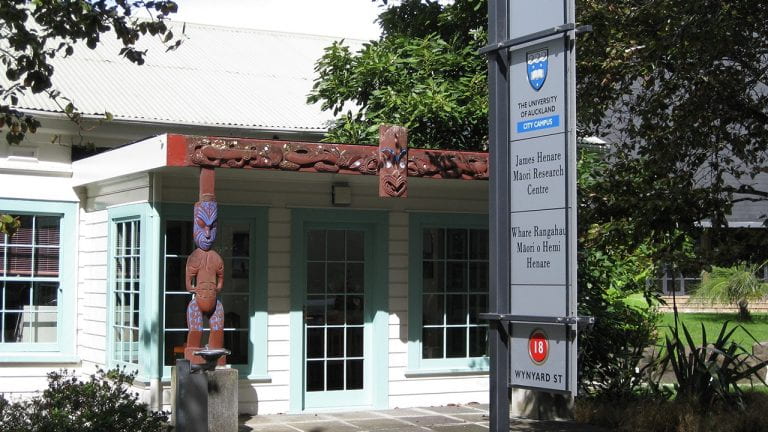
Our Wānanga Space

Our History
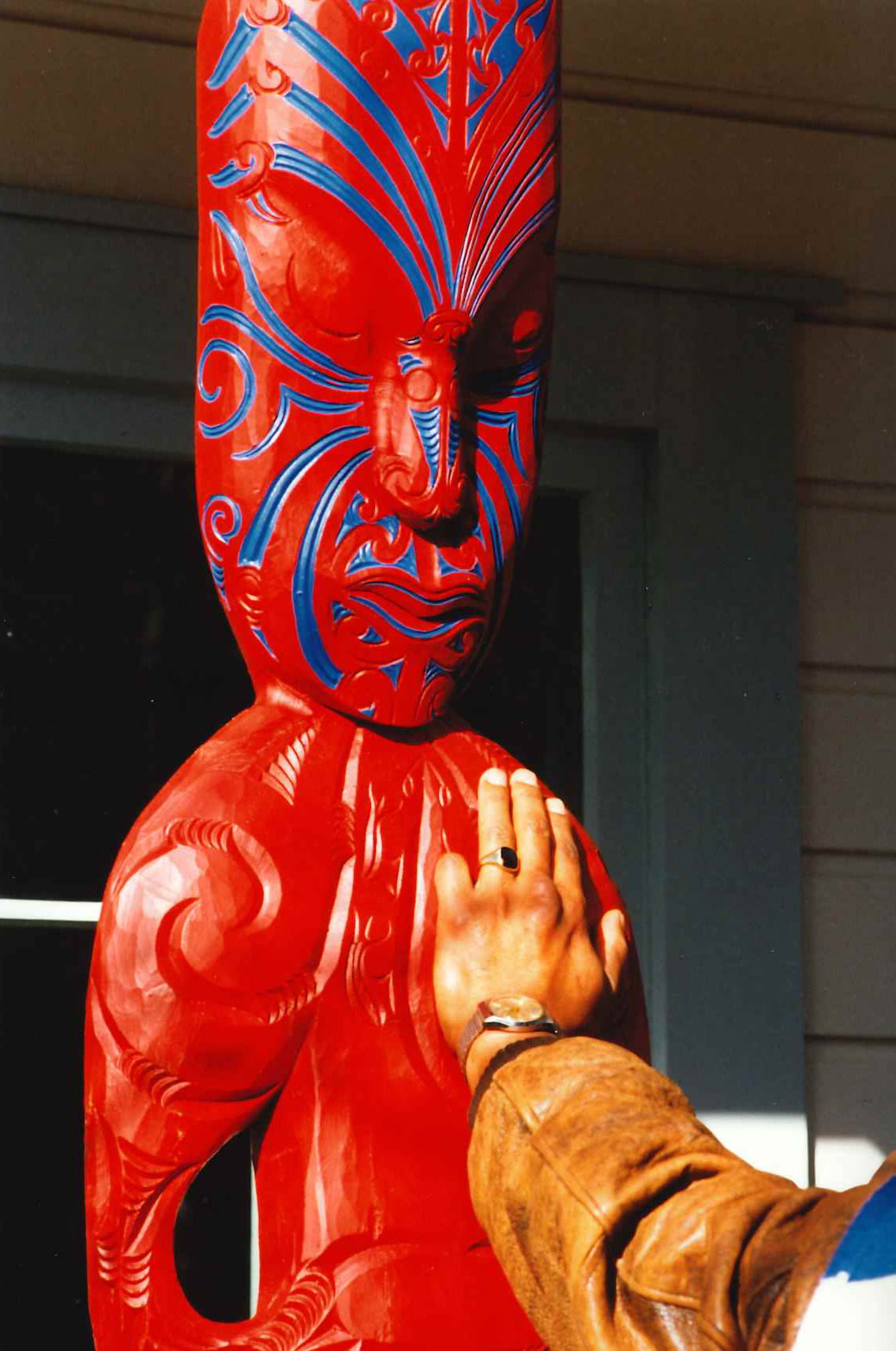
Our Research
Our People
Opportunities
Contact Us